









The Hidden Daily Struggles of Living with OCD
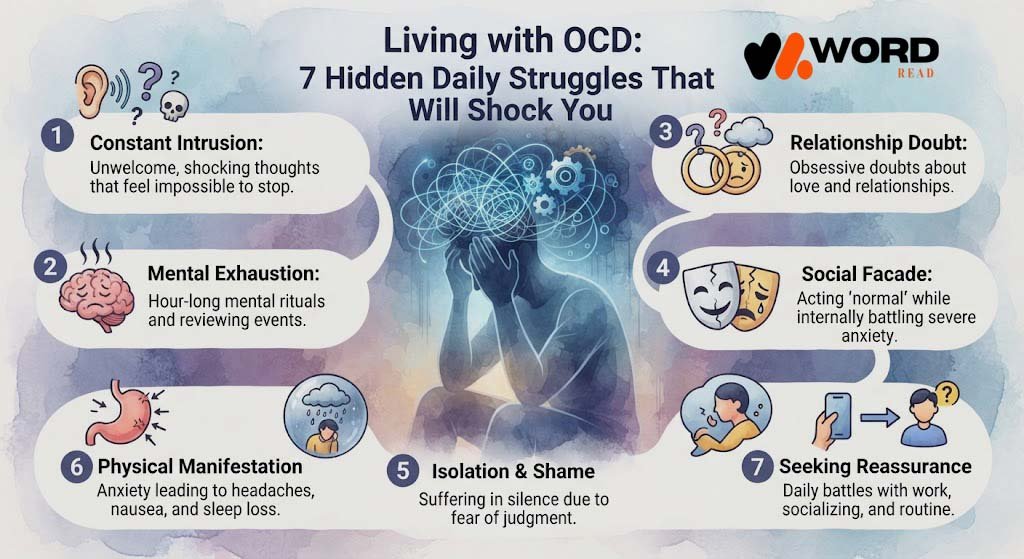
When most people hear “OCD,” they picture handwashing, counting, or rigid routines. While these behaviors may appear in some cases, they represent only a small fraction of what obsessive-compulsive disorder truly involves . In reality, OCD affects approximately 1 in 40 adults—around 240 million people globally—yet the daily struggles of those living with it often remain invisible to the outside world .
The Invisible War Inside

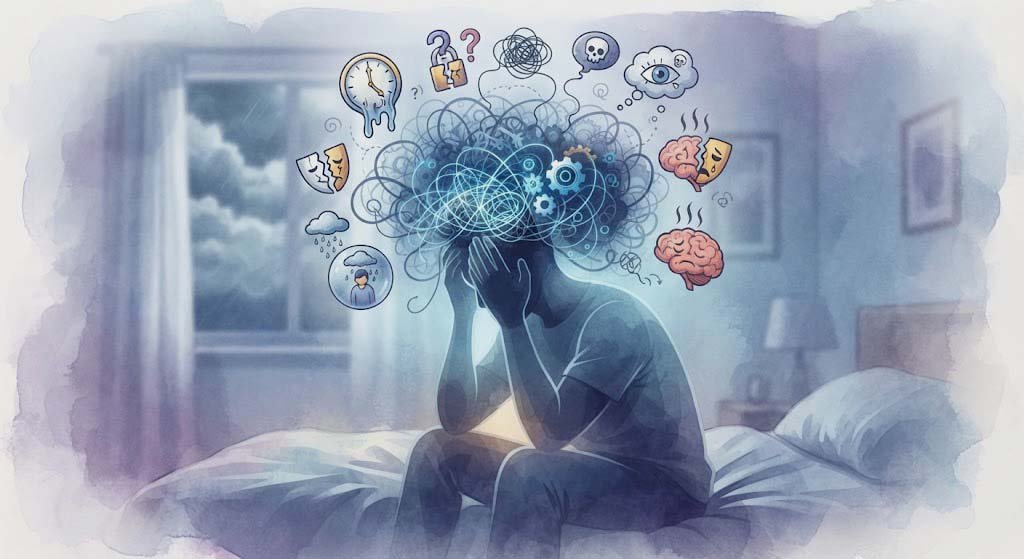
Living with OCD is like having another voice in your head—one that hijacks your mind, body, and heart at any moment and makes you believe the cruelest things about yourself . At its core, OCD involves a cycle of obsessions and compulsions. Obsessions are unwelcome, intrusive thoughts, images, or urges that trigger overwhelming anxiety or a feeling of threat. Compulsions, on the other hand, are repetitive actions or mental rituals carried out to ease the distress brought on by those obsessions.
One person living with OCD describes it this way: “The most sinister part of OCD is how it takes what you care about most in the world and turns it against you. It attacks our deepest values, the core of who we are, and feeds off the doubt and uncertainty it creates” .
The Mental Toll That Others Don’t See
Many of the most debilitating symptoms are entirely internal. While stereotypical OCD involves visible rituals like handwashing, a significant number of people experience “Pure O” OCD—distressing thoughts without obvious external compulsions . These internal struggles may include:
Mental compulsions like repeating “safe” words or numbers in your head, mentally reviewing past events to ensure nothing bad happened, or silently repeating prayers to cancel out intrusive thoughts . These invisible rituals can consume hours of a person’s day.
Constant rumination—compulsively analyzing or trying to solve a perceived problem . This might look like replaying conversations repeatedly to check if you said something wrong, or mentally arguing with intrusive thoughts.
Unwanted “what if” thoughts—vivid, disturbing mental images that feel shocking and out of character. Because there are no outward behaviors, others have no idea these thoughts are happening .
How OCD Affects Everyday Life

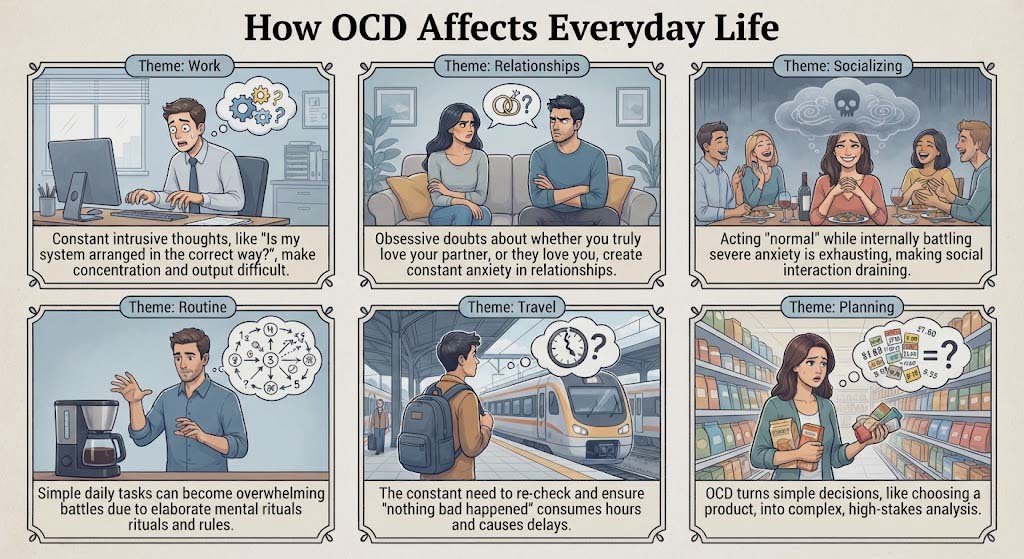
The impact of OCD extends far beyond the thoughts themselves. Activities that seem simple to others—shopping, working, socializing—can become exhausting battles .
At work, constant intrusive thoughts make concentration difficult. “Is the computer screen damaging my eyes?” or “Is my system arranged in the correct way?” These represent only a couple of the numerous intrusive thoughts that can get in the way of concentration and output.
In relationships, OCD can create obsessive doubts about whether you’re in the “right” relationship, whether you truly love your partner, or whether your partner loves you . People may constantly seek reassurance or ruminate on perceived flaws.
With friends, the internal struggle must often be hidden. As one person explains, “Like many people with OCD, I’m a good actor, trying not to let the internal struggle ruin my night out” . When you’re managing almost constant intrusive thoughts, it’s hard to be honest when friends ask, “How are things with you?”
The Isolation and Shame
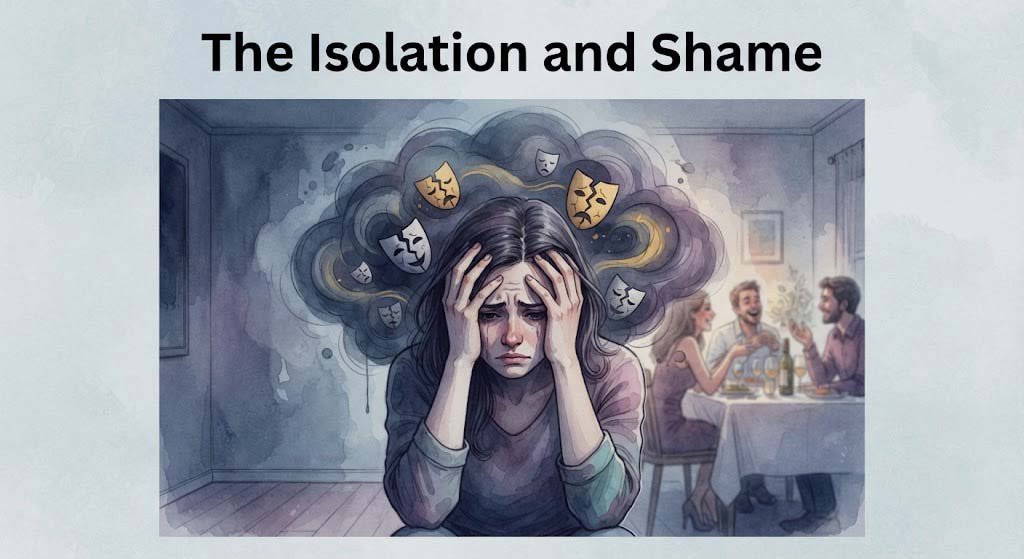
The shame surrounding OCD can be as debilitating as the symptoms themselves. Many people with OCD fear harsh judgment or being dismissed if they share their struggles . Because obsessions often involve taboo or deeply disturbing content, there is a persistent fear that others will misunderstand—that they’ll think the person actually wants to act on these thoughts .
As one person admitted, “I just tell them that I have problems with anxiety, I don’t go into details about having OCD. And I certainly don’t share this with anyone at work. I don’t feel safe enough to open up about it.”
This shame leads many to suffer in silence, with studies showing people often live with symptoms for 14 to 17 years before getting the right help . The isolation becomes a vicious cycle: OCD makes social interaction exhausting, so people withdraw, and the withdrawal reinforces the loneliness and shame.
The Physical Consequences
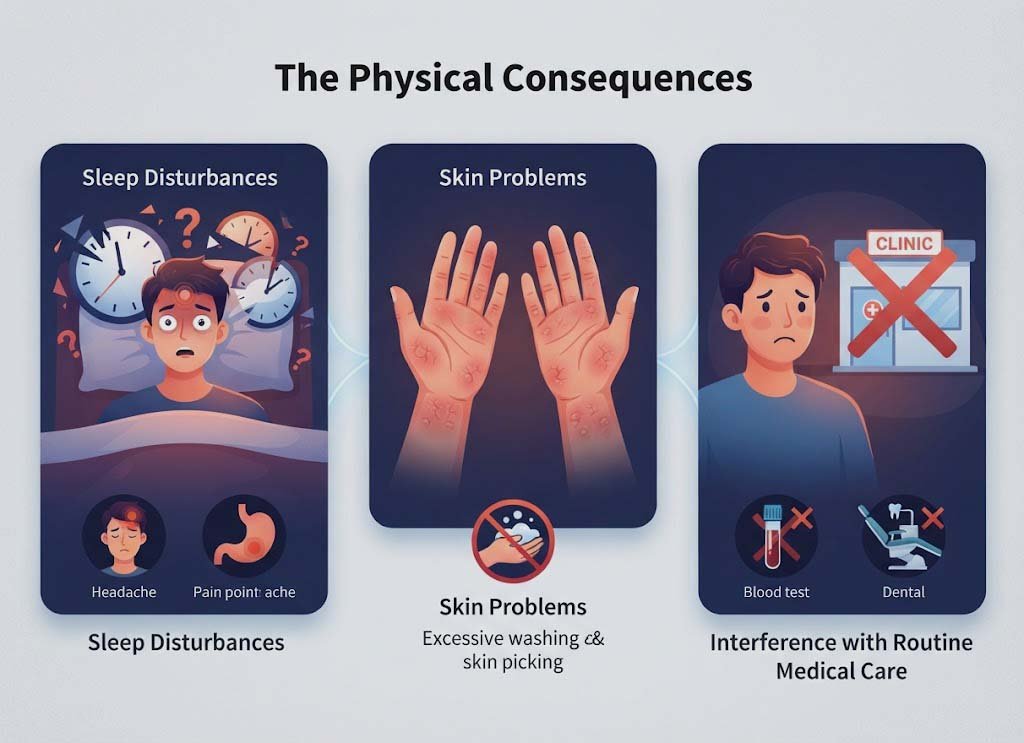
The constant state of anxiety takes a physical toll. People with OCD may experience sleep disturbances due to racing intrusive thoughts, headaches, stomach aches, irritability, and increased blood pressure from stress . Compulsions like excessive washing can lead to skin problems, and OCD can interfere with seeking routine medical care .
For example, someone might avoid routine blood tests because leaving the house is difficult, or because the contamination fears make the process overwhelming. As one person described, doing a simple stool sample test “takes me an entire day… I need to throw all my clothes—shoes, jacket, all of it—into the laundry. It’s so hard, it turns into this giant project” .
The Comorbidity Challenge
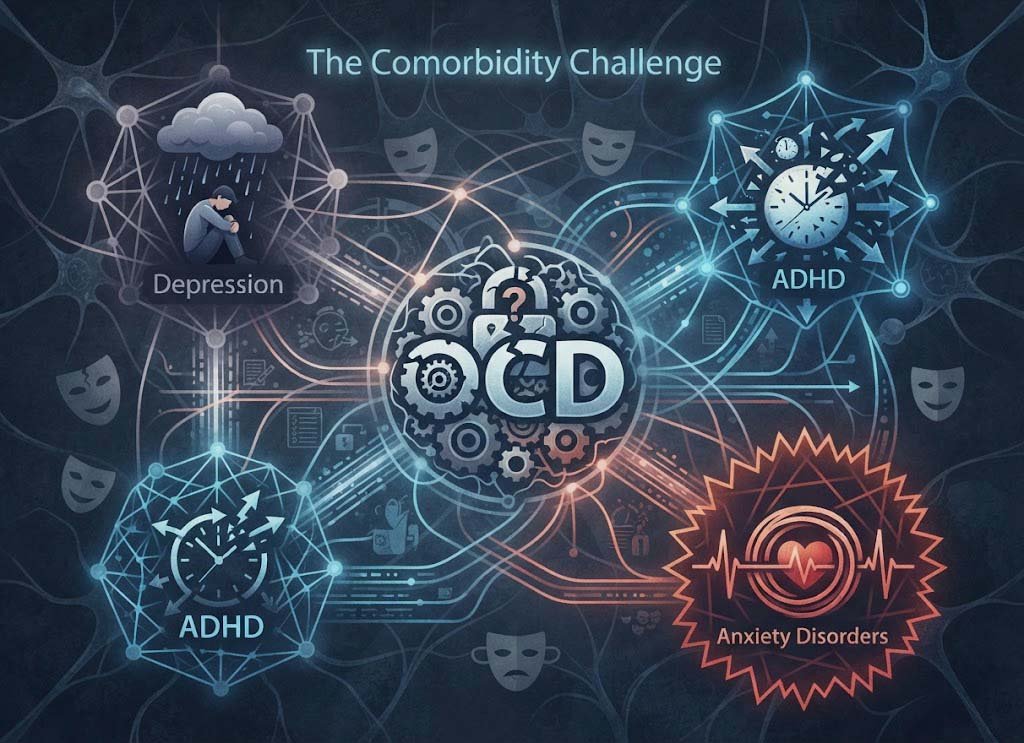
It’s estimated that 25 to 50 percent of individuals with OCD will also experience depression at some point in their lives . Many also have ADHD, anxiety disorders, or other conditions that intertwine with OCD, making it difficult to separate what is OCD and what is something else .
As one person reflected: “It’s difficult for me to say if it’s the OCD or my overall well-being, but the OCD is part of that too. For me, it’s the whole package, and that whole package affects me negatively” .
Hope and Help
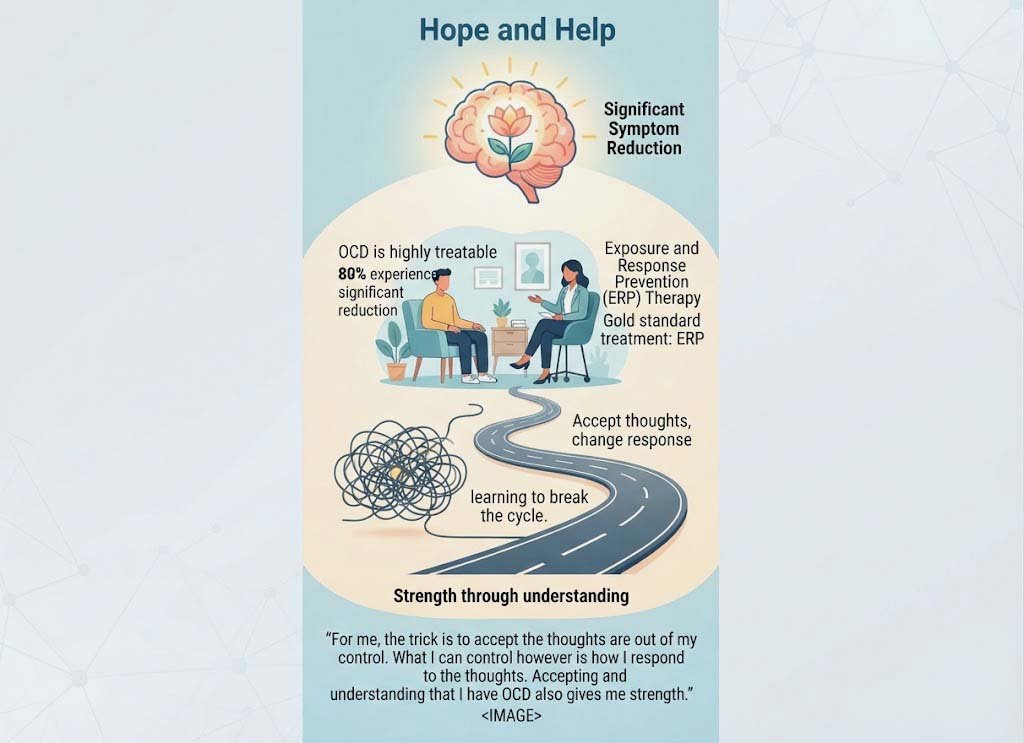
Despite these struggles, OCD is highly treatable. Exposure and Response Prevention (ERP) therapy—the gold standard treatment—has been shown to help approximately 80% of people with OCD experience significant symptom reduction . The key is learning to break the cycle of obsessions and compulsions, not by stopping intrusive thoughts (which is impossible), but by learning to respond differently to them.
As one person living with OCD explains: “For me, the trick is to accept the thoughts are out of my control. What I can control however is how I respond to the thoughts. Accepting and understanding that I have OCD also gives me strength” .
About the Author
My name is Dua Qamar, and I am a content writer passionate about mental health awareness and breaking the stigma surrounding invisible conditions. I believe that the more we understand the hidden struggles of conditions like OCD, the more compassion we can offer to those living with them.
Why I Wrote This Article:
I wrote this piece to shed light on the daily realities of living with OCD—the invisible battles that others don’t see and often don’t understand. Too many people suffer in silence, believing they are alone or that their thoughts mean something terrible about them. By sharing these experiences, I hope to validate the struggles of those living with OCD and encourage understanding in others.
How I Approached This Topic:
My research drew on clinical definitions from the Yale School of Medicine and CAMH, personal accounts from individuals living with OCD, and resources from the International OCD Foundation . I focused on presenting both the clinical reality and the human experience of the condition.
Who This Article Is For:
This article is for anyone who wants to understand OCD beyond the stereotypes—whether you live with the condition, love someone who does, or simply want to be a more informed and compassionate person.
The Message I Hope Readers Take Away:
OCD is not a personality quirk or a preference for neatness. It is a serious mental health condition that affects millions of people worldwide. Yes, the struggles are real—yet hope persists just as strongly. With proper treatment and support, people with OCD can lead meaningful, fulfilling lives.
Written by: Dua Qamar


